When people search “Alliance Air vs Air India,” they usually want to understand a simple question:
Are these the same airline, or are they different?
The confusion is understandable. Both airlines are closely connected historically and operate within the Indian aviation ecosystem. However, they serve very different roles in India’s air travel network.
After observing how both airlines operate across Indian airports and routes, the difference becomes clearer:
Air India operates major domestic and international routes, while Alliance Air focuses mainly on regional connectivity.
In this guide, we’ll break down the real differences between Alliance Air and Air India, including:
- ownership and structure
- fleet types
- routes and airport coverage
- passenger experience
- ticket pricing patterns
- real-world situations where one airline appears more often than the other
What Is Alliance Air?

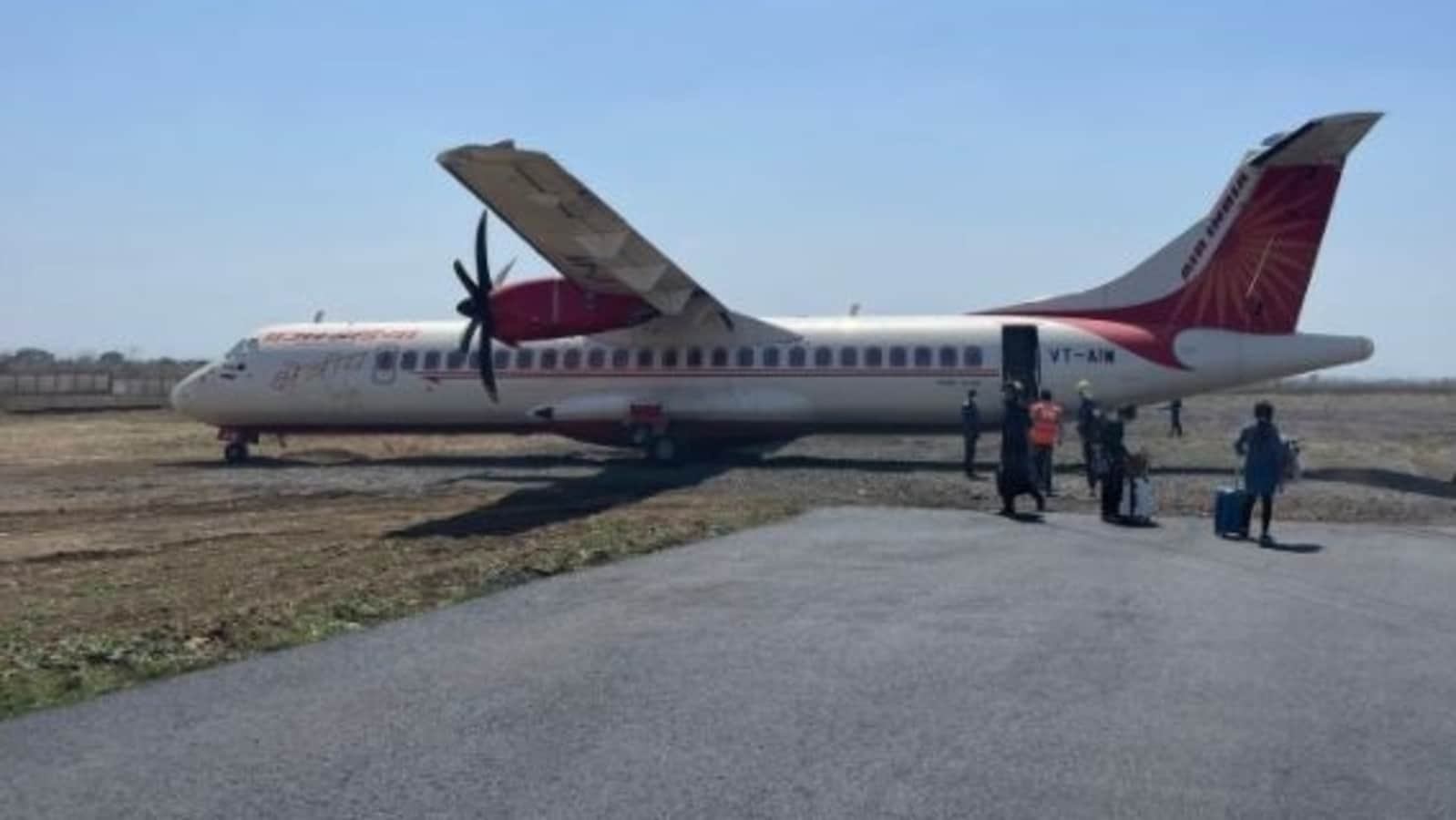
Alliance Air is a regional airline in India designed to connect smaller cities and underserved airports to major aviation hubs.
Originally, Alliance Air was a wholly owned subsidiary of Air India, created in 1996 to operate regional routes using smaller aircraft. Its role became even more important when the Indian government launched the UDAN (Ude Desh ka Aam Nagrik) program, which aims to improve connectivity between smaller towns.
What Alliance Air typically does
Alliance Air usually operates:
- short regional routes
- government-supported connectivity routes
- flights to smaller airports
Examples of routes where Alliance Air commonly appears include:
- Shimla Airport → Delhi Airport
- Kullu–Manali Airport → Delhi
- Jabalpur Airport → Mumbai Airport
These routes often have short runways, which is why Alliance Air uses turboprop aircraft.
Fleet type
Alliance Air mainly operates:
- ATR 72
This aircraft is designed for:
- short flights
- smaller airports
- lower operating costs
Flights usually range between 45 minutes and 2 hours.
What Is Air India?


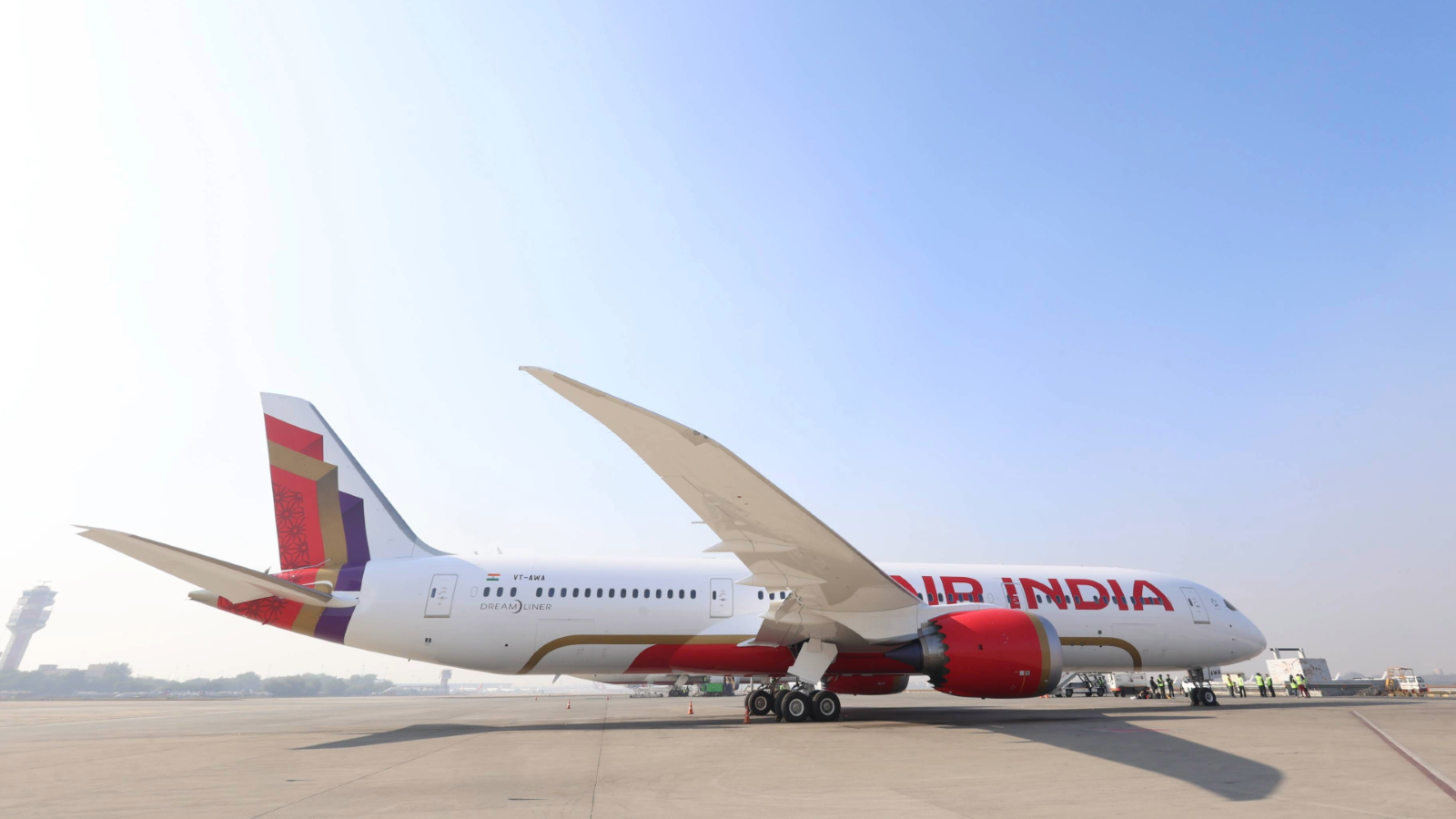
Air India is India’s flag carrier airline and operates both domestic and international flights.
The airline connects India with major cities worldwide and also operates large domestic routes between major airports.
Since 2022, Air India has been owned by the Tata Group, which acquired the airline from the government.
What Air India typically does
Air India focuses on:
- international long-haul flights
- high-traffic domestic routes
- major hub airports
For example:
- Delhi Airport → London Heathrow Airport
- Mumbai Airport → New York JFK Airport
Domestically, you’ll often see Air India operating busy routes like:
- Delhi → Mumbai
- Delhi → Bengaluru
- Mumbai → Chennai
Fleet type
Air India operates a much larger and more diverse fleet, including:
- Boeing 787 Dreamliner
- Boeing 777
- Airbus A320
These aircraft support both:
- domestic high-capacity routes
- international flights across continents.
Alliance Air vs Air India: Quick Comparison
| Feature | Alliance Air | Air India |
|---|---|---|
| Airline type | Regional airline | Full-service international airline |
| Typical aircraft | ATR 72 turboprop | Airbus A320, Boeing 777, Boeing 787 |
| Route length | Short regional flights | Domestic + international long haul |
| Airport type | Small and regional airports | Major international airports |
| Ticket pricing | Usually cheaper | Often higher but more services |
| Cabin classes | Economy only | Economy, Premium Economy, Business |
The simplest way to understand the difference is this:
Alliance Air connects smaller towns.
Air India connects major cities and international destinations.
Route Network Differences
One detail many articles miss is how the two airlines complement each other inside India’s aviation network.
I once noticed this while looking at flights from Leh.
You might see:
- Alliance Air flying Leh → Delhi
- Air India flying Delhi → London
In practice, Alliance Air can sometimes act as a feeder airline, bringing passengers from smaller cities into larger hubs where bigger airlines take over.
This network structure is common globally. Many large airlines rely on regional partners to funnel passengers into hub airports.
Aircraft Experience Differences
One noticeable difference passengers often mention is aircraft type.
Alliance Air aircraft experience
Flying on the ATR-72 turboprop feels very different from a typical jet aircraft.
Things I noticed on these flights:
- propeller noise is louder
- seats are closer together
- cabin space feels smaller
- boarding is often done directly from the runway instead of jet bridges
These flights also tend to operate from smaller terminals or regional sections of airports.
But the upside is that turboprops can land on short runways, allowing flights to places where larger jets cannot operate.
Air India aircraft experience
Air India flights vary widely depending on the aircraft.
On a Boeing 787 Dreamliner, the experience includes:
- quieter cabins
- larger overhead bins
- in-flight entertainment screens
- multiple cabin classes
Even on domestic routes using Airbus A320 aircraft, the overall cabin layout is closer to what travelers expect from large airlines.
Pricing Differences
Pricing behavior between the two airlines also differs.
From observing ticket searches, I realized:
Alliance Air pricing patterns
Alliance Air tickets can sometimes appear expensive relative to flight distance.
For example:
- Shimla → Delhi (1 hour flight) may cost similar to longer routes.
This happens because:
- fewer flights operate on regional routes
- aircraft capacity is smaller
- demand is limited but consistent.
Air India pricing patterns
Air India pricing varies much more because it competes with other airlines such as:
- IndiGo
- Vistara
- SpiceJet
Competition on major routes often pushes prices down.
Service Differences
Another practical difference is in-flight service and amenities.
Alliance Air service
Alliance Air flights are usually simple:
- single cabin class
- limited onboard service
- short flight duration
On very short flights, sometimes only water or light refreshments are offered.
Air India service
Air India provides more services depending on flight type:
Domestic flights may include:
- meals or snacks
- in-flight entertainment
- business class seating.
International flights often include:
- full meal service
- premium seating
- entertainment systems.
Operational Differences Many Articles Miss
One small detail I noticed at airports is how differently these airlines operate on the ground.
Alliance Air flights are often parked at:
- remote stands
- smaller terminals
- regional airport sections.
Meanwhile, Air India flights usually operate from main terminal gates, especially at major airports like:
- Bengaluru Airport
- Hyderabad Airport.
This difference reflects their roles in the aviation system.
When You Are More Likely to Fly Alliance Air
You’re more likely to encounter Alliance Air if you are traveling to smaller Indian cities, such as:
- Shimla
- Kullu
- Diu
- Tezpur
- Lilabari.
These airports often cannot handle large jets.
When You Are More Likely to Fly Air India
Air India becomes the obvious option when traveling:
- internationally
- between major metro cities
- on long domestic routes.
Examples include:
- Delhi → Dubai
- Mumbai → New York
- Delhi → Bengaluru.
Final Verdict: Alliance Air vs Air India
The easiest way to understand the difference is this:
Alliance Air
- regional connectivity airline
- small turboprop aircraft
- short routes between smaller cities.
Air India
- India’s major full-service airline
- large aircraft fleet
- domestic and international routes.
Both airlines serve different parts of India’s aviation network, and in many cases they actually complement each other rather than compete.
In practical terms, if you are traveling between major cities or internationally, you’ll likely fly Air India.
But if your trip involves smaller regional airports, there’s a good chance Alliance Air will be the airline connecting you to the main aviation hubs.