When travelers search “Alliance Air vs IndiGo”, they are usually trying to understand a simple question:
Which airline is better to fly with in India?
But the answer is not always straightforward. These two airlines operate very differently. One focuses on regional connectivity and smaller airports, while the other dominates major domestic routes with frequent flights and modern aircraft.
I have observed that many comparison articles online simply list basic facts like fleet size or ticket price. But that doesn’t actually help travelers decide which airline works best for their situation.
This guide explains the real practical differences between Alliance Air and IndiGo, including routes, aircraft, reliability, airport experience, and when choosing one airline makes more sense than the other.
Understanding the Two Airlines
Alliance Air

4
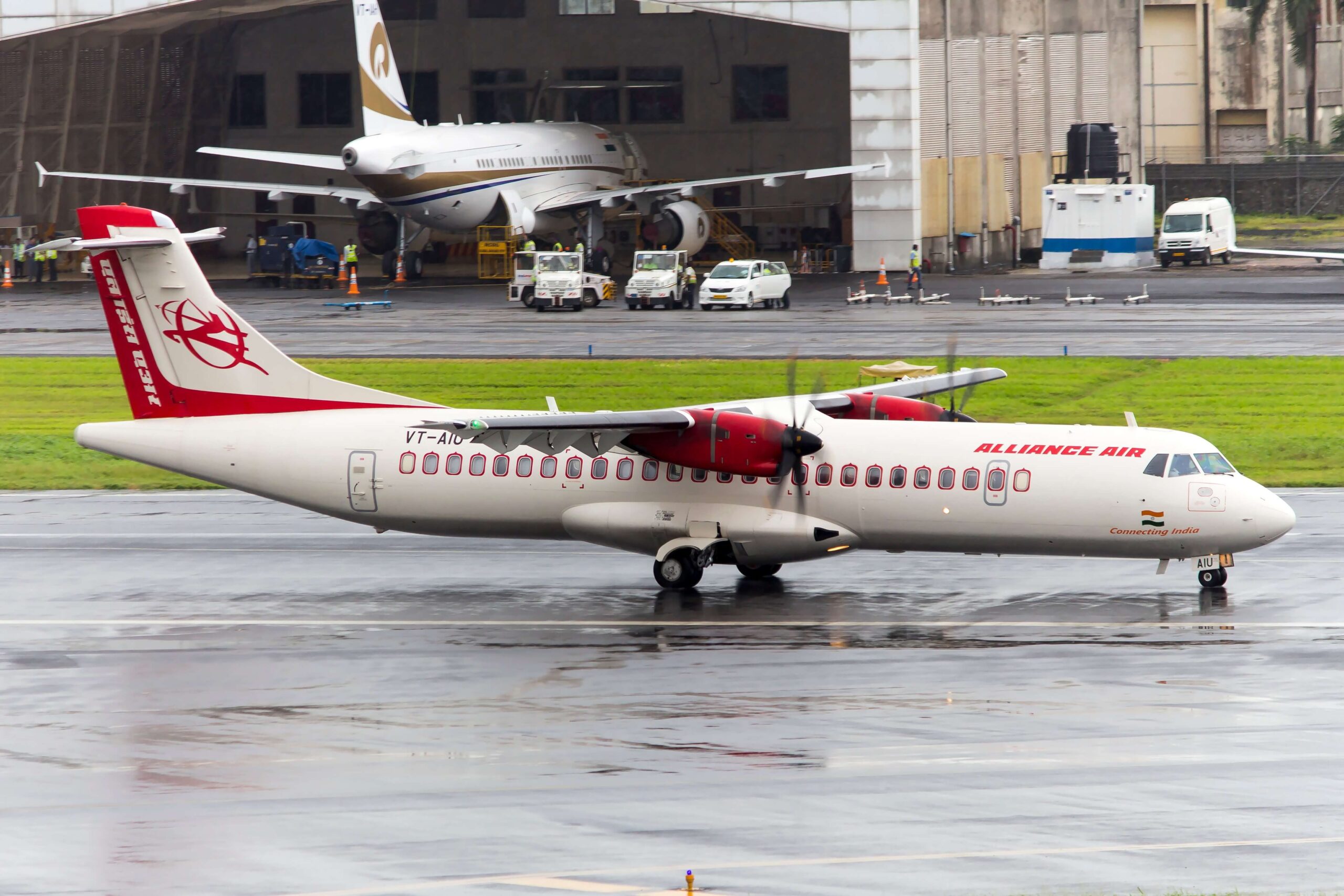
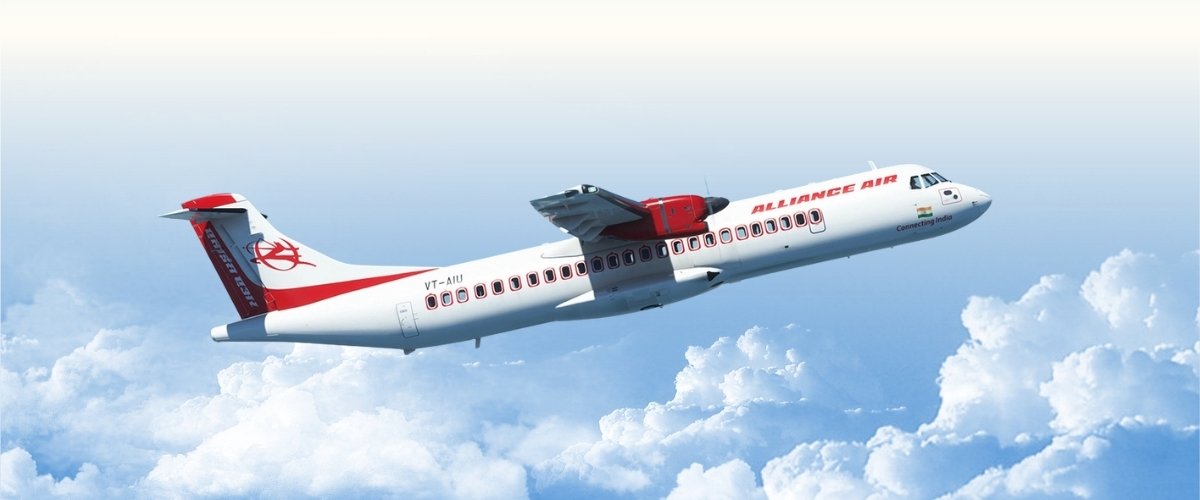
Alliance Air is a regional airline in India that primarily operates ATR turboprop aircraft. It was originally created as a subsidiary of Air India to serve smaller cities and regional routes.
The airline focuses on routes that larger airlines often avoid because they are less profitable or involve smaller airports.
Typical routes include flights between:
- Delhi → Shimla
- Kolkata → Ranchi
- Chennai → Mysuru
- Mumbai → Bhuj
These routes are often part of India’s UDAN regional connectivity scheme, which aims to improve air access to smaller cities.
One thing I noticed while studying Alliance Air routes is that many of their destinations are airports with shorter runways, where large jet aircraft simply cannot operate efficiently. That’s why turboprop aircraft like the ATR 72 are used.
IndiGo



4
IndiGo is India’s largest airline and one of the biggest low-cost carriers in Asia. It operates a fleet of Airbus A320 and A321 jets, along with some ATR aircraft for regional routes.
Unlike Alliance Air, IndiGo’s strategy focuses on high-frequency flights between major cities.
Common routes include:
- Delhi → Mumbai
- Bangalore → Hyderabad
- Delhi → Goa
- Mumbai → Ahmedabad
In many cases, IndiGo operates multiple flights per day on the same route, giving passengers flexibility in departure times.
I remember checking flights between Delhi and Mumbai once and noticing something interesting: IndiGo had flights almost every hour, while smaller airlines only had a few daily departures.
That level of frequency is one of the airline’s biggest advantages.
Key Differences Between Alliance Air and IndiGo
1. Route Network
This is probably the most important difference between the two airlines.
Alliance Air
- Focuses on regional and smaller airports
- Often the only airline serving certain routes
- Operates under government connectivity programs
Example routes include:
- Delhi → Shimla
- Kolkata → Jamshedpur
- Hyderabad → Vidyanagar
These routes typically connect tier-2 and tier-3 cities.
IndiGo
IndiGo operates a much larger network with:
- Major metro routes
- High-demand business routes
- International flights
Examples:
- Delhi → Mumbai
- Bangalore → Delhi
- Mumbai → Dubai
- Delhi → Bangkok
Key insight:
If you are traveling between major cities, IndiGo almost always offers more options.
But if you are flying to a small regional airport, Alliance Air may be the only airline available.
2. Aircraft Type
Another major difference is the type of aircraft used.
Alliance Air Aircraft
Alliance Air mainly operates:
- ATR 72 turboprop
These aircraft are designed for:
- short distances
- smaller runways
- regional airports
They usually carry around 70 passengers.
I once watched an ATR landing at Shimla’s small airport and realized how different it looks compared to jet aircraft. The slower approach and shorter runway requirement make these planes ideal for regional travel.
IndiGo Aircraft
IndiGo operates several aircraft types:
- Airbus A320
- Airbus A321neo
- ATR 72 (on select regional routes)
The Airbus jets carry 180–220 passengers, making them more efficient on busy routes.
Jets are also faster, which means shorter travel times.
For example:
- Delhi → Mumbai
- IndiGo jet: ~2 hours
- Turboprop equivalent: significantly longer if used
3. Flight Frequency
Frequency is where IndiGo clearly dominates.
IndiGo
On popular routes, IndiGo may operate:
- 10–20 flights per day
For example:
- Delhi → Bangalore
- Mumbai → Hyderabad
This gives travelers flexibility to choose morning, afternoon, or evening departures.
Alliance Air
Alliance Air typically operates:
- 1–2 flights per day
- Sometimes only a few flights per week
This is common on regional routes where demand is lower.
That means if a flight gets delayed or cancelled, rebooking options may be limited.
4. Ticket Prices
Pricing behavior between the two airlines can be interesting.
IndiGo Pricing
IndiGo uses dynamic pricing, meaning:
- early booking = cheaper fares
- last-minute tickets = expensive
Because there are many flights on each route, prices are often competitive.
Alliance Air Pricing
Alliance Air flights sometimes look expensive at first glance.
But there is a reason.
Many of their routes have little or no competition, so pricing is less aggressive.
However, some routes under the UDAN scheme have subsidized fares.
For example:
Flights like Delhi → Shimla may be cheaper than expected due to government support.
5. Airport Experience
The airport experience can differ more than people expect.
Alliance Air Experience
Alliance Air often operates from:
- smaller terminals
- regional airports
- limited facilities
For example, airports like:
- Shimla
- Pantnagar
- Lilabari
These airports may have:
- fewer shops
- basic lounges
- limited security lanes
But boarding is usually faster and less crowded.
IndiGo Experience
IndiGo operates mainly from major airports, such as:
- Delhi (IGI Airport)
- Mumbai (Chhatrapati Shivaji Airport)
- Bangalore (Kempegowda Airport)
These airports offer:
- lounges
- restaurants
- retail shops
- multiple security lanes
However, they are also much busier.
I remember flying out of Delhi during peak travel season and noticing long security lines — something you rarely experience at smaller regional airports.
6. Reliability and On-Time Performance
IndiGo is widely known for strong operational reliability.
In many aviation reports, the airline consistently ranks high for:
- on-time departures
- quick aircraft turnaround
- efficient boarding
This comes from its standardized fleet and operations.
Alliance Air can sometimes experience:
- weather-related delays
- limited backup aircraft
- operational disruptions on smaller routes
Because they operate smaller fleets, a single aircraft issue can impact multiple flights.
7. Cabin Comfort
Alliance Air
Turboprop aircraft offer:
- smaller cabins
- slightly louder engines
- fewer seats
But flights are usually short, so this rarely becomes a major issue.
One thing I noticed when flying turboprops is that the window view is excellent, since the aircraft flies at lower altitudes.
IndiGo
IndiGo’s Airbus jets offer:
- quieter cabins
- larger overhead bins
- more seating capacity
However, legroom is fairly standard since it is a low-cost airline.
When Alliance Air Is the Better Choice
Alliance Air is the better option when:
- traveling to smaller cities
- flying to mountain airports
- needing access to regional routes
Examples include:
- Delhi → Shimla
- Chennai → Mysuru
- Kolkata → Durgapur
Without airlines like Alliance Air, many of these routes would not exist.
When IndiGo Is the Better Choice
IndiGo works best when:
- traveling between major Indian cities
- needing frequent flights
- wanting lower fares on busy routes
Examples include:
- Delhi → Mumbai
- Bangalore → Hyderabad
- Delhi → Goa
IndiGo also provides international connections, which Alliance Air does not.
Alliance Air vs IndiGo: Quick Comparison
| Feature | Alliance Air | IndiGo |
|---|---|---|
| Airline Type | Regional carrier | Low-cost major airline |
| Fleet | ATR turboprops | Airbus A320/A321 + ATR |
| Route Focus | Smaller cities | Major domestic & international |
| Flight Frequency | Low | Very high |
| Ticket Price | Moderate / subsidized routes | Competitive dynamic pricing |
| Airport Type | Small regional airports | Major international airports |
| Reliability | Moderate | High |
Final Verdict
The choice between Alliance Air and IndiGo depends largely on where you are flying.
If your destination is a major city, IndiGo almost always provides:
- more flight options
- faster jet aircraft
- competitive prices
But if you need to reach a smaller regional airport, Alliance Air plays a crucial role in connecting those cities to the national aviation network.
In many cases, the two airlines are not direct competitors — they actually serve different parts of India’s aviation ecosystem.
That’s why when comparing Alliance Air vs IndiGo, the real question is not which airline is better overall.
The real question is:
Which airline better fits the route you need to travel?