Sometimes when I think about flying in the U.S., my brain randomly jumps to the feeling of boarding a plane in Seattle–Tacoma International Airport and seeing the name Alaska Airlines everywhere. It almost feels like the hometown airline there. I remember walking past multiple gates where nearly every tail outside the window had that familiar Eskimo face logo. Then my mind immediately jumps to another memory at Hartsfield–Jackson in Atlanta where Delta Air Lines feels just as dominant. It’s interesting how airlines can almost “own” a city in your head like that. Seattle feels like Alaska territory, Atlanta feels like Delta territory.
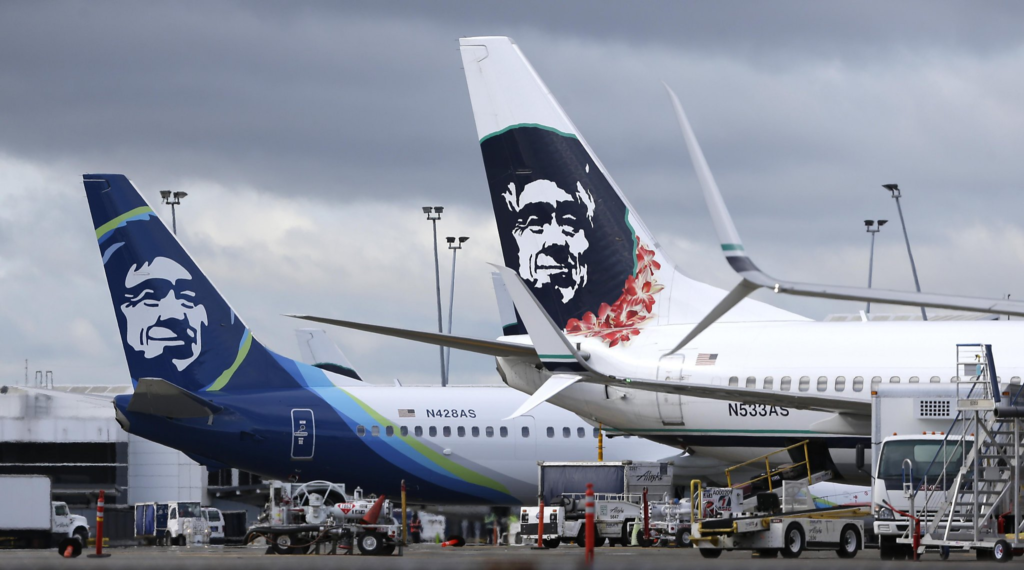
And then I start thinking about the branding difference. Alaska’s planes have that calm white body with the smiling face on the tail, which honestly always looks kind of friendly to me. Delta feels more corporate somehow. The red triangle logo, the darker navy paint, it gives off a serious business airline vibe. I remember seeing a row of Delta aircraft lined up at JFK once and they all looked almost identical like they came out of some precise industrial template.
My thoughts also drift to the type of people I imagine flying them. Alaska Airlines in my head always connects to people traveling along the West Coast — Seattle to San Diego, Portland to Los Angeles, maybe even Anchorage routes. I picture someone wearing a Patagonia jacket and holding a Starbucks cup boarding that flight. Delta, on the other hand, makes me think of more global travel. Like someone connecting from Atlanta to Paris or from New York to Amsterdam. Maybe that’s because Delta has those big international routes.
Then I suddenly remember something about airports themselves. When you walk through Terminal 2 at San Francisco International Airport, Alaska flights show up everywhere on the departure boards. But if you’re in a place like Detroit Metropolitan Airport, the entire place almost feels like Delta headquarters. I once saw an entire concourse where every gate sign had Delta on it, and it made me think how massive their network must be.
Another random thought that pops up is loyalty programs. I once overheard two people at a hotel bar in downtown Seattle — I think it was near the Hyatt Regency — arguing about airline miles. One guy swore that Alaska’s Mileage Plan was the best program in the U.S., especially because of partner airlines like Japan Airlines or Cathay Pacific. The other guy insisted Delta SkyMiles were easier if you fly frequently between big cities. I didn’t even join the conversation but it stuck in my head.
And food on planes… that’s another odd detail my brain goes to. I remember seeing photos of Alaska Airlines serving those small fruit and cheese plates. Something about that feels very Pacific Northwest, like it fits with the whole Seattle vibe of organic snacks and artisan coffee. Delta’s food experience feels different in my imagination — maybe because I associate it with those bigger international flights where you get a proper meal tray.
Then I think about the aircraft themselves. I’ve noticed Alaska Airlines often operates Boeing 737s. If you sit near the window you start recognizing the shape of the winglets pretty quickly. Delta feels like it has everything — Airbus A321s, A330s, older Boeing planes, even those massive A350s flying to Asia. It makes Delta feel like a giant global machine compared to Alaska’s more focused fleet.
A weird memory surfaces about baggage claim. I once waited at Los Angeles International Airport for luggage after a Delta flight and the carousel took forever to start moving. Meanwhile, a nearby Alaska Airlines carousel was already spinning with bags dropping out one after another. Of course that’s probably just random airport timing, but little moments like that stick in your brain and create impressions about brands.
Another thought drifts to customer service stories. I’ve read random comments online where people praise Alaska Airlines for friendly crews. Someone once described a flight attendant cracking jokes during a Seattle to Portland flight. Delta, meanwhile, often gets talked about in terms of reliability and operational strength. I remember reading an article saying Delta has one of the best on-time records among U.S. airlines.
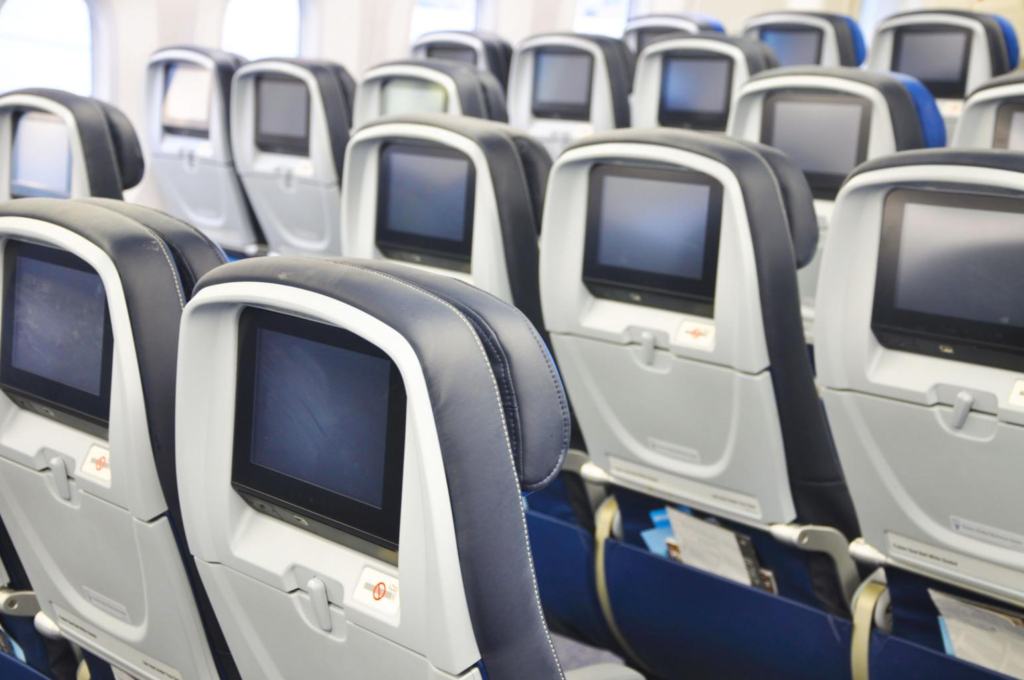
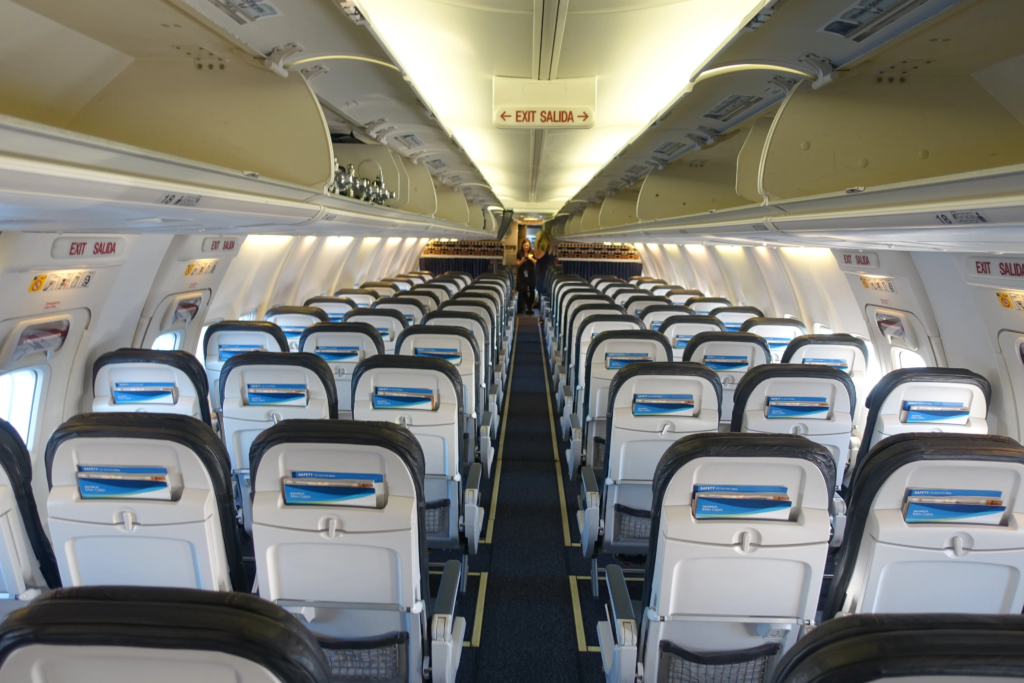
Then suddenly I’m thinking about seatback screens. Some Delta planes have those entertainment systems where you can watch movies without using your phone. I remember scrolling through options like Marvel movies and random documentaries on a flight. Alaska Airlines sometimes leans more on streaming to your own device, which feels modern but also slightly annoying if your phone battery is dying.
And airports again — my mind always loops back to airports for some reason. At Seattle–Tacoma you see Alaska Airlines lounges called the Alaska Lounge. But at places like Minneapolis–Saint Paul International Airport you’ll find Delta Sky Clubs everywhere. I remember walking past one with a huge glass window and people inside drinking coffee while watching planes taxi.
Another small detail pops up about partnerships. Alaska Airlines joined the Oneworld alliance a few years ago. That means suddenly they connect with airlines like British Airways and Qatar Airways. Delta belongs to SkyTeam, which brings in partners like Air France and Korean Air. It’s funny how airline alliances almost feel like sports teams sometimes.
Then my brain randomly jumps to ticket prices. I remember checking flights from Seattle to San Diego once. Alaska Airlines had a slightly cheaper fare than Delta, but Delta offered a flight that left two hours earlier. That tiny timing difference suddenly felt more valuable than the price difference. Travel decisions often come down to weird little tradeoffs like that.
I also think about the overall scale of the companies. Delta Air Lines feels enormous. Their fleet size, global routes, multiple hubs — Atlanta, Detroit, Minneapolis, Salt Lake City, New York. Alaska Airlines feels more concentrated but also more specialized in the West Coast network. It reminds me of how some restaurant chains are global while others dominate specific regions.
And the marketing tone feels different too. Delta ads often show polished business travelers walking through sleek airports. Alaska Airlines commercials sometimes highlight scenic landscapes like mountains or coastlines. That probably ties into their Pacific Northwest identity.
Another thought appears about frequent flyers. I once met someone on a shuttle bus outside San Diego International Airport who said they purposely choose Alaska Airlines because upgrades are easier to get compared to Delta. I don’t know if that’s actually true but it sounded convincing when he said it.
Then there’s the whole aircraft boarding experience. Delta tends to have those strict boarding groups and announcements repeating over the speakers. Alaska Airlines boarding sometimes feels slightly more relaxed, though that might just depend on the airport.
And of course weather delays come to mind. If you’re flying through Seattle in winter, rain and clouds feel normal but usually manageable. If you’re connecting through Atlanta during a summer thunderstorm season, that can cause a chain reaction of delays across Delta’s network. I once saw the departure board filled with red delay notices.
It’s funny how comparing airlines isn’t just about seats or prices. It’s all these little impressions stacked together — airport memories, random conversations, the look of a plane tail outside a window, even the type of snack served at 35,000 feet.
When I mentally picture Alaska Airlines, I see the Pacific Northwest, evergreen trees, maybe a flight leaving Seattle early in the morning with Mount Rainier visible in the distance. When I picture Delta Air Lines, I see huge hub airports buzzing with international departures and people rushing to connections.
Neither image feels better or worse in my mind — just different atmospheres attached to different airlines. And somehow those mental pictures are what shape the comparison more than any official statistic ever could.