Two beaches. Two cultures. Two wildly different experiences — and one difficult decision.
Goa has been India’s go-to coastal escape for decades, beloved for its laid-back vibe, Portuguese-influenced architecture, and some of the country’s best seafood. Thailand, meanwhile, has built an almost mythical reputation among travelers worldwide — a place of golden temples, street food that stops you mid-sentence, and nightlife that runs until sunrise.
For Indian travelers, the comparison between Goa and Thailand is one that comes up constantly. Both destinations are genuinely brilliant. But they suit different travelers, different budgets, and different moods. This guide breaks down every factor that matters — cost, flights, food, safety, digital nomad suitability, culture, shopping, and more — so you can make the right call for your trip.
Travel Cost Breakdown: Goa vs Thailand
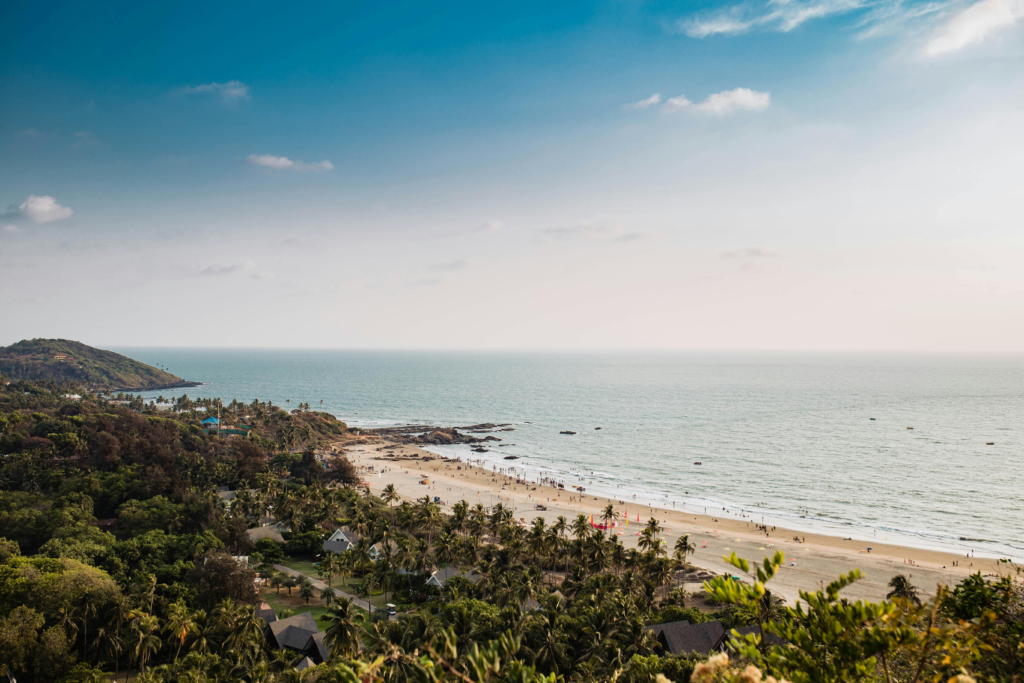
The assumption that Thailand is expensive for Indian travelers is largely outdated. In many cases, it can be surprisingly competitive with Goa, especially when you factor in accommodation quality.
Budget travel (₹2,500–₹4,500/day): In Goa, a basic beachside guesthouse runs around ₹1,000–₹2,000 per night in the off-season, with a plate of fish thali costing under ₹300. A rented scooter is roughly ₹400–₹500 per day. In Thailand, particularly in Chiang Mai or Pai, budget guesthouses start at around ₹800–₹1,500 per night, street food meals cost ₹150–₹300, and local transport is cheap. Thailand often wins at the budget end purely because street food culture is so deeply embedded that eating well costs very little.
Mid-range travel (₹6,000–₹12,000/day): Both destinations offer solid mid-range options. A comfortable resort in South Goa with a pool runs ₹4,000–₹8,000 per night in peak season. In Phuket or Koh Samui, comparable properties land in a similar range. Meals at sit-down restaurants are broadly comparable in price.
Luxury travel (₹20,000+/day): Thailand edges ahead. The luxury hotel infrastructure in Bangkok, Phuket, and Koh Samui is enormous and world-class. Goa has excellent luxury properties — particularly in Assagao and Morjim — but the sheer variety and depth of Thailand’s five-star market is hard to match.
The flight cost is the real differentiator. Goa flights from major Indian metros are domestic and, outside peak season, often available under ₹3,000–₹6,000 one-way. International flights to Bangkok or Phuket typically start from ₹8,000–₹18,000 one-way, depending on the season and how far in advance you book. For short trips or weekend getaways, Goa is almost always cheaper in total.
Flight Connectivity: Getting There

Goa is served by two airports. Dabolim (GOI), the older international airport, and Manohar International Airport (GOX) at Mopa, a newer facility in North Goa offering both domestic and international connectivity. From Mumbai, the flight takes around 1 hour 20 minutes. From Delhi or Bengaluru, expect roughly 2 to 2.5 hours. Every major Indian carrier operates to Goa, and with multiple daily frequencies, last-minute bookings are usually possible.
Thailand has no direct domestic flight issue, but the entry point matters. Bangkok (Suvarnabhumi/BKK) receives direct flights from Delhi, Mumbai, Chennai, Kolkata, Hyderabad, and Bengaluru. Flight times from Delhi to Bangkok average around 4 hours 30 minutes. From Mumbai, it’s closer to 4 hours. Phuket has fewer direct connections from India; many routes involve a Bangkok transit, adding another hour or two. Thai AirAsia, IndiGo, Air India, and Thai Airways are among the carriers operating these routes.
Bottom line: Goa wins on accessibility. No visa to arrange, no international airport queue, and you’re on the beach within hours of leaving home.
Visa Requirements: What Indian Travelers Need to Know
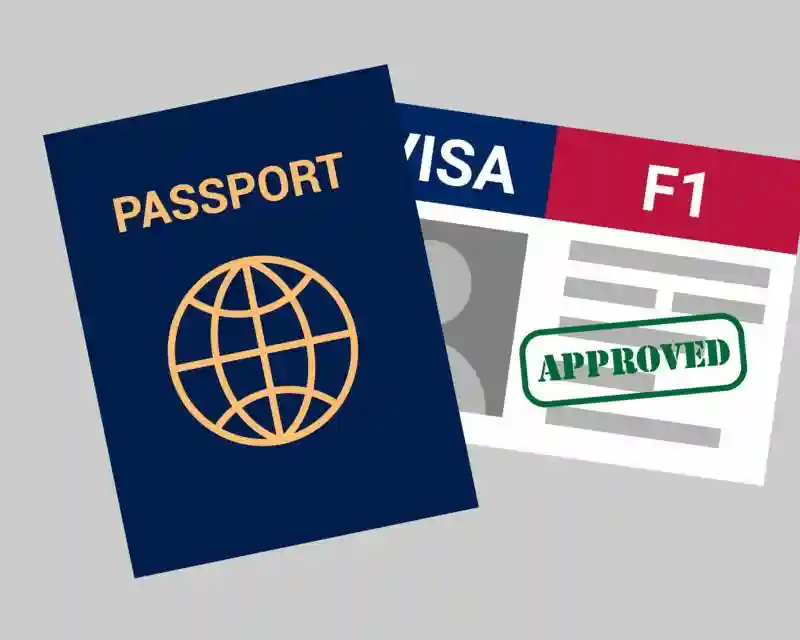
This is where Goa holds an obvious advantage — it requires no visa at all. It’s a domestic destination.
Thailand, however, has significantly streamlined entry for Indian passport holders. As of July 15, 2024, Thailand expanded its visa exemption list from 57 to 93 countries, with Indian travelers now eligible for a 60-day visa-free stay (extendable by a further 30 days at the immigration bureau). According to Thailand’s Government Public Relations Department, “visitors from these countries will be able to stay up to 60 days for tourism and short-term business.”
The Thai Embassy has confirmed that Indian nationals must carry proof of accommodation, a confirmed return ticket, and a completed Thailand Digital Arrival Card (TDAC), which replaced the old TM.6 form and has been mandatory since May 2025. The TDAC must be filled in within three days before travel.
For digital nomads and remote workers looking for longer stays, Thailand launched the Destination Thailand Visa (DTV) on July 15, 2024. It covers workcation purposes — digital nomads, remote workers, freelancers, and foreign talent — and requires a bank balance of no less than 500,000 THB (approximately $17,000 USD) plus employment documentation. It allows for an extended stay and is available through Thai embassies worldwide.
Food and Cuisine: A Genuine Rivalry
This category is genuinely difficult to call, because both destinations take food seriously.
Goan cuisine is a product of four centuries of Portuguese influence layered on top of Konkani tradition. Fish curry rice is the daily staple — a fiery, coconut-based curry usually served with kingfish or pomfret. Prawn balchão, crab xec xec, and bebinca (a layered coconut dessert) are just some of the dishes that make Goa’s food culture unique within India. The beach shacks of North Goa, particularly around Anjuna and Calangute, serve fresh catch throughout the day.
Thai street food has a global reputation for good reason. Pad Thai, green curry, mango sticky rice, khao man gai, and tom yum soup represent just the surface of an incredibly layered food culture. Bangkok’s street food scene is UNESCO-recognized, and in cities like Chiang Mai and Phuket, night markets overflow with variety. Meals that cost ₹150–₹250 at a street stall are often restaurant-quality.
For sheer variety, novelty, and value, Thailand edges ahead. But for Indian palates, Goa’s familiar spice profiles and availability of Indian food options alongside local cuisine can feel more immediately comfortable.
Safety and Solo Travel

Both destinations are broadly safe for tourists, but each comes with its own set of considerations.
Goa: The UK FCDO advises general caution in tourist areas, where “scammers, pickpockets and ticket touts target foreign nationals.” Solo female travelers should avoid isolated beaches at any time of day. Goa’s nightlife areas, particularly around Baga and Calangute, are busy and generally well-policed during peak season, though petty theft is a recurring issue.
Thailand: The FCDO provides detailed safety guidance for Thailand, noting that “violent sexual assaults and unprovoked attacks can happen in tourist areas,” with incidents most common “during full moon parties or similar events, and near bars late at night.” The FCDO also specifically warns against handing over your passport to motorcycle or jet-ski rental businesses, where fraudulent damage claims are a known scam. Drink spiking in tourist areas is flagged as a genuine concern.
There have also been documented deaths from methanol poisoning in Thailand — a risk the FCDO formally highlights. The road safety situation is stark: the WHO ranks Thailand among the deadliest countries globally for motorcycle fatalities.
Both destinations require common-sense precautions. For first-time solo travelers, Goa may feel less overwhelming — it’s domestically familiar, Hindi and English are widely spoken, and calling for help in an emergency is straightforward. Thailand rewards more experienced independent travelers who are well-prepared.
Digital Nomad Suitability
This has become one of the most searched comparison points in the Goa vs Thailand debate, and both destinations have real strengths.
Goa has developed a modest but growing coworking scene, particularly in Panjim, Assagao, and Fontainhas. Spaces like 91Springboard and various independent hubs cater to remote workers, especially during the November–March season when the digital nomad community swells. Internet speeds are variable — fiber connections in urban areas are reliable, but coastal guesthouses can be patchy.
Thailand is arguably the more established remote work destination globally. Bangkok, Chiang Mai, and Phuket have deep coworking ecosystems, with dozens of dedicated spaces per city. Thailand ranked 15th globally for fixed broadband speeds in recent Ookla Speedtest data, and Ookla’s H1 2025 connectivity report for Thailand notes that AIS, the country’s leading fixed ISP, recorded a median download speed of 287.92 Mbps during the period. For nomads who depend on reliable, fast internet, Thailand’s infrastructure is harder to beat.
For longer-term stays, the DTV visa gives Thailand a structural advantage. Goa is a domestic destination with no visa restriction, but there’s no equivalent of the DTV for establishing a long-term remote work base with legal clarity.
Cultural Depth: Churches vs Temples
Goa’s cultural identity is shaped by its unique Indo-Portuguese heritage. The Basilica of Bom Jesus, a UNESCO World Heritage Site, houses the remains of St. Francis Xavier and draws visitors year-round. The Latin Quarter of Fontainhas in Panjim is a tile-lined, pastel-colored neighborhood unlike anywhere else in India. Carnival in February and the Feast of St. Francis Xavier in December are major cultural events.
Thailand’s cultural landscape is vast. Bangkok alone contains over 400 temples (wats), including Wat Phra Kaew (home of the Emerald Buddha) and Wat Pho, which houses a 46-meter reclining Buddha. Chiang Mai’s old city is surrounded by a moat and lined with ancient temples. Thai Buddhist festivals like Loy Krathong (the floating lantern festival) and Songkran (the water festival) are among the most visually spectacular cultural events in Southeast Asia.
For cultural richness and breadth, Thailand wins by volume. Goa, however, offers something rarer — a fusion identity that exists nowhere else in India, making it culturally distinctive in its own right.
Shopping and Markets
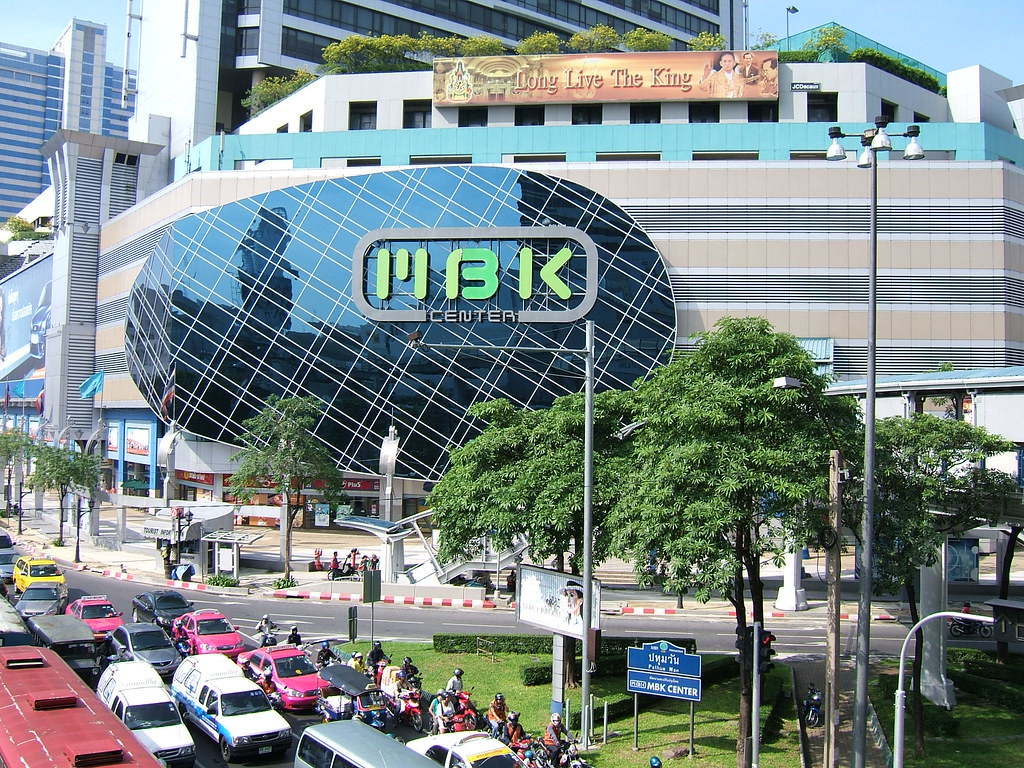
Goa’s flea markets are an experience rather than just a shopping trip. The Anjuna Flea Market (Wednesdays) and the Arpora Saturday Night Market are social events as much as retail ones — filled with local crafts, vintage clothing, spices, and Goan cashew products. Mapusa Market, the oldest in North Goa, is the place locals actually shop.
Thailand’s night markets operate on a different scale. Bangkok’s Chatuchak Weekend Market is one of the largest markets in the world, with over 8,000 stalls selling everything from antiques to live animals. Phuket’s Weekend Market (Naka Market) and Chiang Mai’s Sunday Walking Street attract thousands each week. Shopping in Thailand is generally cheaper, particularly for clothing, electronics, and handicrafts.
For serious shoppers, Thailand is the clear winner on variety and value. Goa’s markets are more boutique and atmospherically distinct.
Family and Honeymoon Suitability
For families: Goa is the more practical choice. No international travel logistics, familiar food, no language barrier, and a wide range of family-friendly resorts in South Goa (Cavelossim, Benaulim). Water parks like Splash Waterpark Goa add activity options for kids. Thailand is family-friendly too — particularly Phuket and Koh Lanta — but the longer travel, unfamiliar food for younger children, and international logistics add friction.
For honeymooners: Thailand pulls ahead. The private pool villas of Koh Samui, the dramatic limestone cliffs of Krabi, and the wellness retreats of Koh Yao Noi offer a level of romantic seclusion that’s hard to match. Goa offers genuinely beautiful luxury stays — Suryagarh, Alila Diwa, and the Leela stand out — but the sheer range and drama of Thailand’s honeymoon landscape is exceptional.
So, Which Destination Wins?
There’s no universal answer, because the better destination depends entirely on who’s asking.
Choose Goa if: You want a short, cost-effective trip. You’re traveling with family. You value easy accessibility and no visa hassle. You want familiar comfort alongside beach time and a distinctive cultural experience.
Choose Thailand if: You’re planning 10+ days and want maximum variety. You’re a solo traveler craving Southeast Asia’s legendary street food, temples, and nightlife. You’re a digital nomad seeking reliable infrastructure and long-term visa options. You’re celebrating a honeymoon and want something truly cinematic.
Both destinations reward repeat visits. Many Indian travelers who start with Goa eventually make Thailand a regular pilgrimage — not because Goa stops being special, but because Thailand is built on a different scale entirely.
Start with what your schedule and budget allow. Then go back for the other one.